

AndaSeat Opens 2026 Back-to-School Campaign as Home Study Spaces Balance Digital Tools and Screen-Free Work
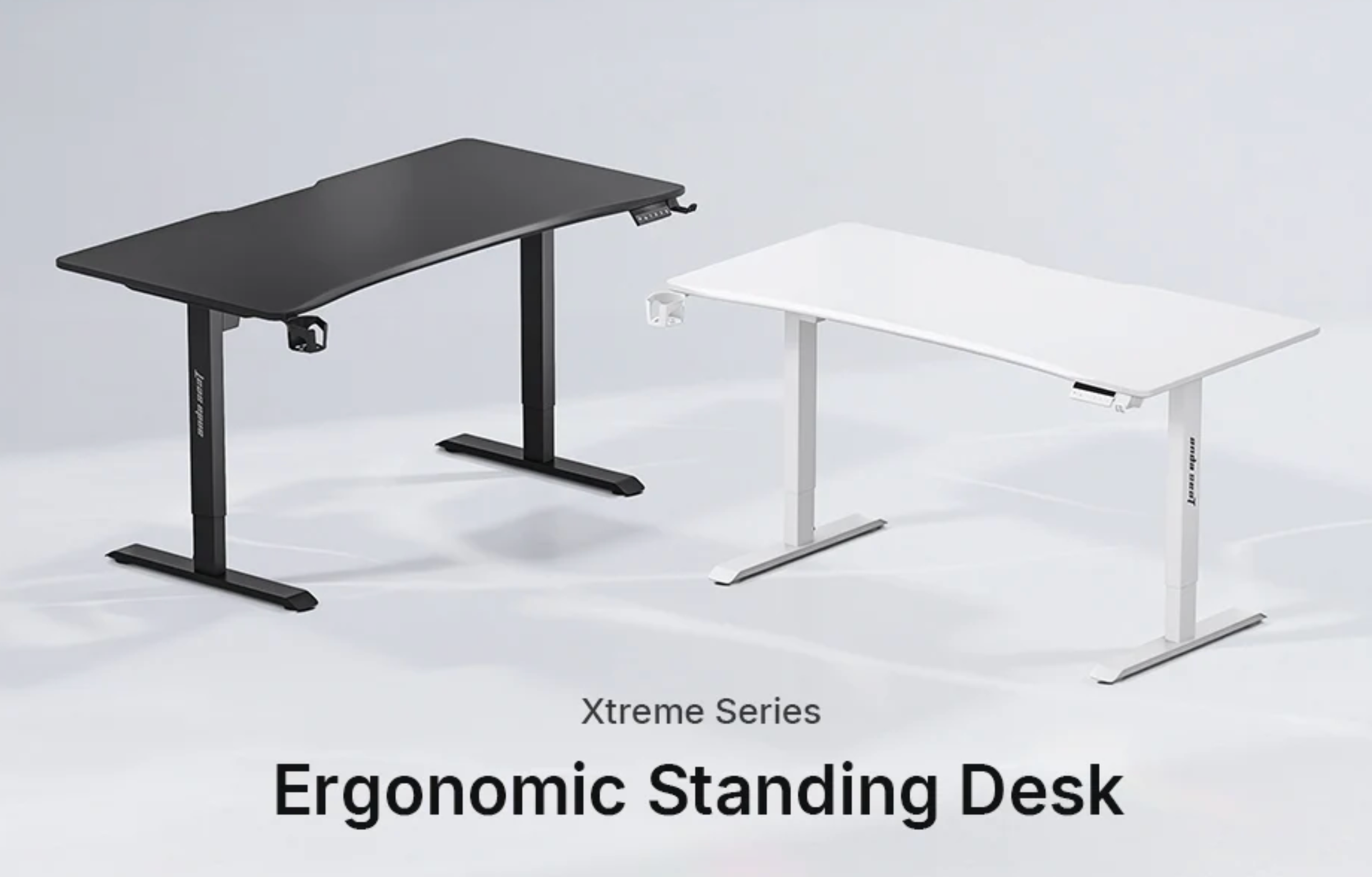
Xtreme Desk Dark WHite Set
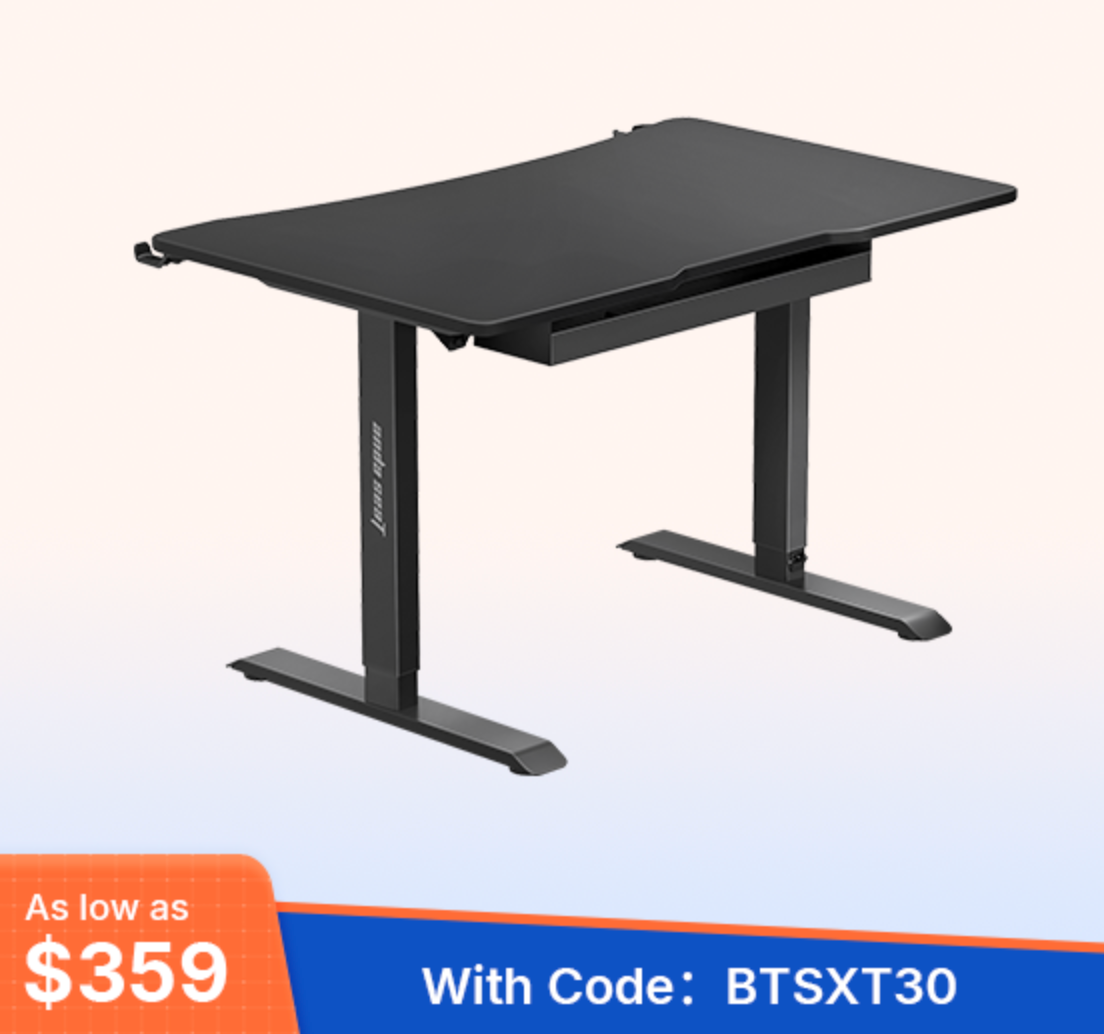
2026 BacktoSchool AndaSeat
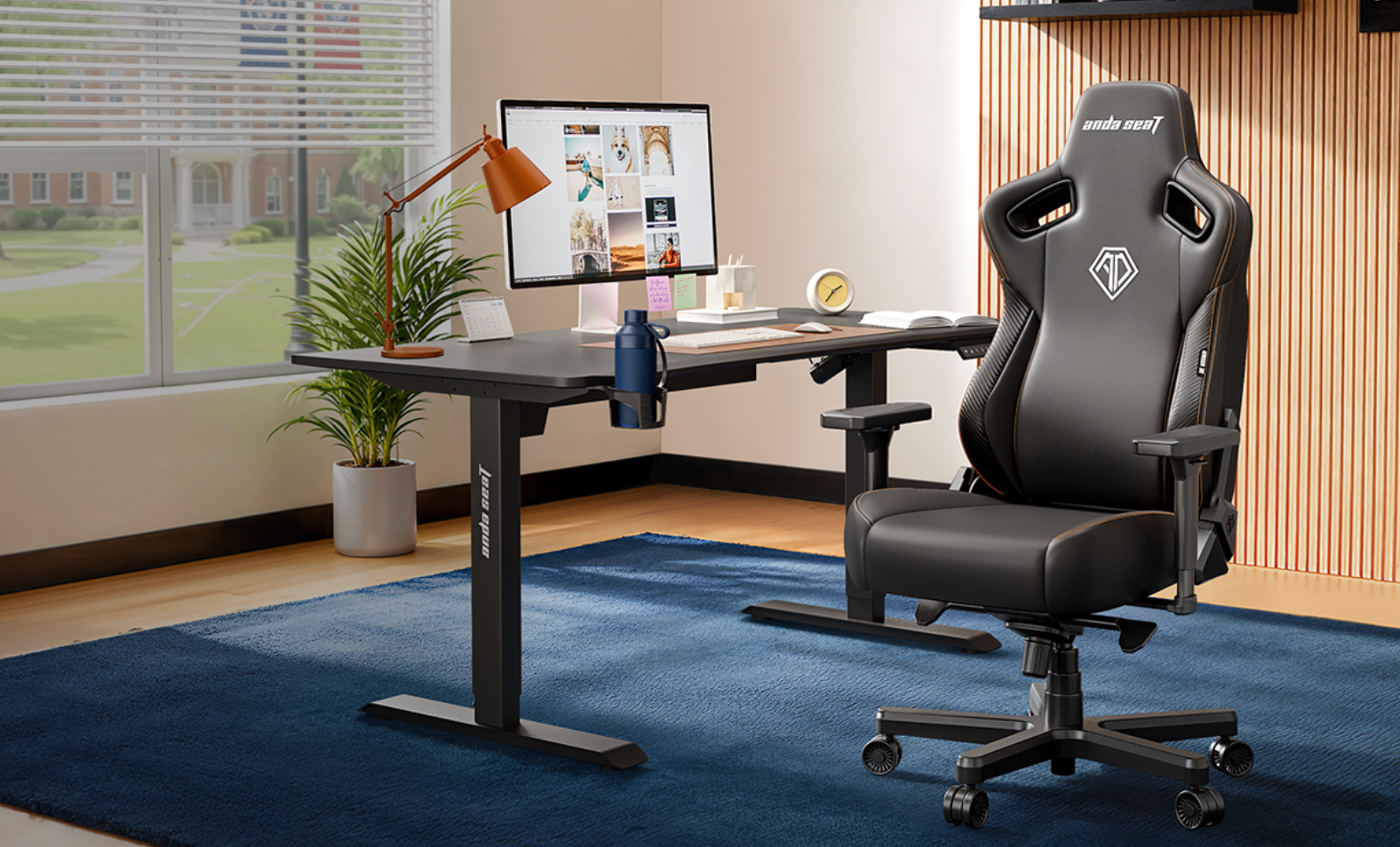
2026 BacktoSchool AndaSeat Xtreme and K3E
AndaSeat Opens 2026 Back-to-School Campaign as Home Study Spaces Balance Digital Tools and Screen-Free Work
SPOKANE, WA, UNITED STATES, August 5, 2026 /EINPresswire.com/ -- AndaSeat has opened its 2026 Back-to-School Campaign, running from August 5 through August 30 and including reductions of up to $180 across selected products. The company is placing particular focus on the Xtreme Series standing desk and the changing physical requirements of home study spaces.The campaign arrives as education systems and families attempt to balance two developments that appear to move in opposite directions.
Digital devices remain a major part of back-to-school purchasing. The National Retail Federation reported that U.S. families with children in kindergarten through high school expect to spend an average of $293.11 on electronics during the 2026 season, making electronics the largest individual back-to-school spending category in its survey.
At the same time, public concern about unmanaged device use is increasing. A Pew Research Center survey conducted from May 26 to June 1, 2026 found that 77% of U.S. adults supported prohibiting middle and high school students from using cellphones during class. Support for restrictions covering the entire school day rose to 48%, compared with 36% in 2024.
These findings do not imply that students should remove computers from their study spaces. They point instead to a more practical design question: can the same desk support necessary digital work while preserving room for handwriting, textbooks, printed documents and activities that do not require another screen?
AndaSeat is positioning the Xtreme Series around that mixed physical requirement.
The 2026 Study Space Must Support Technology Without Becoming Defined by It
The OECD Digital Education Outlook 2026 states that generative artificial intelligence can support learning when it is guided by clear teaching principles. The organization also cautions that using AI simply to outsource tasks may improve immediate performance without producing corresponding learning gains.
A separate OECD and European Union framework published in June 2026 emphasizes active engagement, educational guidance and the development of human knowledge and skills when AI is used in learning.
The physical study environment cannot determine whether technology is used effectively. It can, however, affect whether every available surface is occupied by screens, charging devices and loose cables or whether students retain space to move between different forms of work.
A laptop-centered desk may gradually add a monitor, keyboard, mouse, tablet, phone stand, charger, lamp and audio equipment. Once these items occupy the central work area, opening a textbook or writing beside the keyboard can require equipment to be moved each time.
The Xtreme Series addresses this issue through desktop options measuring 47.2 × 29.5 inches, 55.1 × 29.5 inches and 63 × 31.5 inches. The three sizes are intended to accommodate different rooms and equipment configurations rather than assuming that every student or household has the same available space.
The objective is not simply to provide a larger surface. It is to give households the ability to reserve different sections of the desk for screen-based work, writing and frequently used materials.
Desktop Depth Matters When Digital and Printed Work Meet
The U.S. Occupational Safety and Health Administration recommends that a work surface be deep enough to place a monitor at an appropriate viewing distance and large enough to accommodate the monitor, keyboard and input device. OSHA also notes that additional space may be required for source documents, telephones and other materials used during a task.
Although OSHA’s guidance concerns computer workstations rather than school furniture, the spatial principle is relevant to home study.
Students frequently need to view information on a screen while writing notes, comparing a printed source or completing a worksheet. If the monitor and keyboard occupy the complete desk depth, printed materials may be placed off to the side, on the lap or over the keyboard.
The Xtreme desktop uses a depth of 29.5 inches on the 1,200 mm and 1,400 mm models and 31.5 inches on the 1,600 mm model. The matte surface is intended to limit strong reflections while providing a continuous area for equipment and documents.
Optional accessories can further change the available layout. A desk riser can raise a display and create storage space beneath it, while an optional monitor arm can remove the original display base from the central desktop area.
These additions are not required for basic desk operation. They illustrate how the Xtreme platform can be configured when a household needs to recover additional writing or equipment space.
Height Presets Can Separate Study Tasks Without Moving Equipment
Xtreme provides powered height adjustment from 28.7 to 46.1 inches, or 730 to 1,170 mm. The single motor moves at 22 mm per second with a company-rated operating level below 50 dB.
The digital control panel includes three memory presets, a real-time height display and an adjustable reminder that can be set between 30 minutes and four hours.
Within a back-to-school setup, the presets can be used for more than storing a generic sitting and standing height.
One position may be established for seated keyboard work. A second may support standing reading, reviewing flash cards or participating in an online presentation. A third can be retained for another household member or for a different task surface height.
OSHA advises that adjustable work surfaces can help accommodate different users and tasks. It also recommends placing frequently used equipment directly in front of the user and changing working position during the day rather than remaining in one posture continuously.
Xtreme does not require students to stand while studying, and a reminder does not guarantee healthier behavior or improved academic performance. The control system provides a repeatable way to change the work-surface position without removing computers, books or other equipment from the desk.
Cable Management Preserves Both Surface and Leg Space
Device-heavy study setups create a second space problem beneath the desk.
Power strips, chargers and excess cable length are often placed on the floor or allowed to hang behind the work surface. These connections may move, tighten or become more difficult to access when an adjustable desk changes height.
OSHA notes that excessive clutter beneath a work surface can reduce clearance for the legs and limit chair positioning.
Xtreme addresses above- and below-desk cable routing as one system.
Insulated internal cables pass through the desk’s left leg, reducing the amount of exposed wiring associated with the desk itself. An under-desk steel tray provides space for a power strip and excess cable length, while an open-side design keeps connections accessible.
The desk also includes five cable ties for securing individual routes. These components are intended to keep more wiring away from the floor and the active writing surface while retaining sufficient slack for desk movement.
The system cannot prevent every cable-related problem. Users still need to follow equipment instructions, avoid overloading power connections and confirm that attached cables have enough length throughout the complete height range.
Its contribution is organizational: power and data cables are assigned a defined route instead of being left to occupy whichever desk or floor area remains available.
A Shared Home Desk Requires Stability and Controlled Movement
Back-to-school desks may be installed in bedrooms, study corners and other areas that remain accessible to family members.
The Xtreme Series uses a cold-formed steel T-frame with dual support beams, extended side brackets, two-stage legs and wide feet. The structure is designed to support up to 70 kg, including the desktop and installed equipment.
The frame is intended to limit side-to-side and front-to-back movement during typing, writing, mouse use and height changes. Stability becomes particularly relevant when a desk carries a monitor together with books, a laptop and other devices.
The control panel also includes a child lock and an anti-collision function. The lock is intended to prevent unintended height commands, while the anti-collision system stops and reverses movement when resistance is detected beneath the desk.
Neither feature removes the need for supervision, correct assembly or a clear movement path. They provide additional controls for a product expected to operate in household rather than exclusively professional environments.
Back-to-School Planning Is Becoming Workspace Planning
The current debate around education technology is no longer simply about whether students should use digital tools.
The OECD’s 2026 work emphasizes purposeful use, active learning and human judgment. Public opinion is also moving toward clearer boundaries around personal devices in school. At the same time, electronics remain the largest back-to-school spending category for U.S. families.
Together, these developments make the physical study area more important.
A useful back-to-school desk must accommodate technology without allowing screens, stands and cables to occupy every available surface. It must also preserve space for the parts of learning that still involve reading, writing, arranging materials and stepping away from a fixed seated position.
The Xtreme Series is AndaSeat’s response to that requirement. Its role is not to determine how students learn or how much technology they should use. It provides a stable, height-adjustable and cable-managed work surface that can be reorganized as the task changes.
AndaSeat’s Back-to-School Campaign runs from August 5 through August 30, 2026. Campaign availability, included products and applicable reductions vary by region and inventory.
About AndaSeat
Founded in 2007, AndaSeat develops ergonomic furniture and workspace products for gaming, professional, educational and home environments. Its portfolio includes ergonomic chairs, standing desks, monitor arms and related workstation accessories.
Caroline Chen
AndaSeat
email us here
Visit us on social media:
LinkedIn
Instagram
Facebook
YouTube
TikTok
X
Legal Disclaimer:
EIN Presswire provides this news content "as is" without warranty of any kind. We do not accept any responsibility or liability for the accuracy, content, images, videos, licenses, completeness, legality, or reliability of the information contained in this article. If you have any complaints or copyright issues related to this article, kindly contact the author above.
